92-year-old Paul Biya Wins Controversial Eighth Term as Cameroon’s President
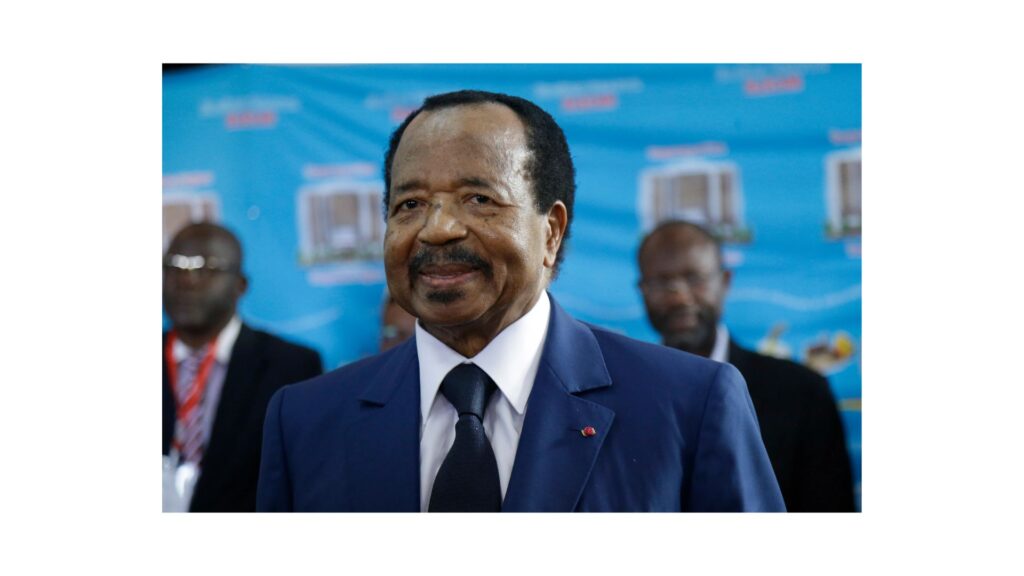
A photo of the 92-year-old Paul Biya, President of Cameroon
Cameroon’s long-serving President Paul Biya, aged 92, has been declared the winner of the October 12 presidential election, securing a controversial eighth term in office with 53.7 percent of the vote, according to official results announced Monday by the Constitutional Council.
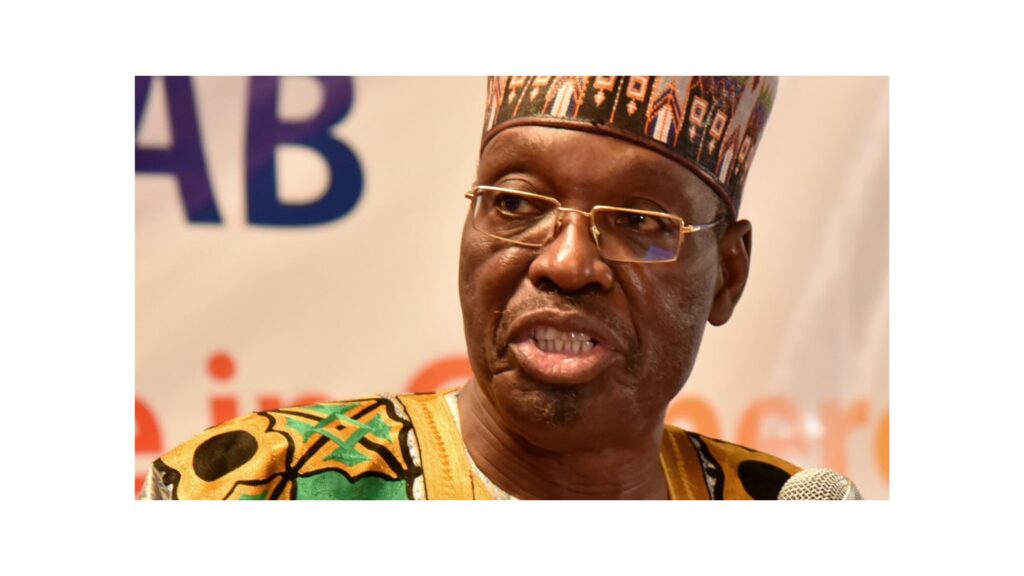
His closest rival, Issa Tchiroma Bakary, a former government minister, finished second with 35.2 percent, the council confirmed. However, Tchiroma rejected the results, insisting that he had won the election and urging his supporters to take to the streets. Two days after the vote, he proclaimed himself the legitimate winner and demanded that Biya concede defeat.
The post-election atmosphere has been tense, with violent clashes reported between security forces and opposition supporters in Douala, Cameroon’s economic hub. According to the regional governor, four people were killed in the unrest on Sunday. Witnesses told AFP that police initially used tear gas to disperse the demonstrators before resorting to live ammunition, further fueling public anger.
ALSO READ
Cameroon’s 92-Year-Old President Paul Biya Seeks Eighth Term Amid Growing Calls to Step Down
Kenya Met Department Issues Heavy Rainfall Alert for Nairobi, Kiambu, and Other Regions
United Opposition Demands Censure Over Governor Kahiga’s ‘Ethnic War’ Remarks, Putting UDA on Notice
ODM Convenes Emergency Meeting as Speculation Over Ruto’s Cabinet Reshuffle Grows
Since last week, Tchiroma’s supporters have staged demonstrations in several parts of the country, claiming that the official results were manipulated. The opposition leader alleges that, based on his own count, he actually received 54.8 percent of the votes, compared to Biya’s 31.3 percent, and has accused the electoral body of orchestrating a massive fraud in favor of the incumbent.
Political analysts, however, say the outcome was largely expected. Many believe Biya’s re-election was inevitable given the tight control his government exerts over state institutions, including the electoral commission and the judiciary. Critics have long accused Biya of maintaining power through repression, intimidation, and manipulation of the democratic process.
Paul Biya, who has ruled Cameroon since 1982, is now the world’s oldest serving head of state and one of Africa’s longest-reigning leaders. Over more than four decades in power, his presidency has been marked by political suppression, economic inequality, and ongoing conflict in the country’s Anglophone regions, where separatist groups continue to fight for independence.
Biya’s leadership style has drawn sharp criticism from both domestic and international observers. Human rights organizations have repeatedly condemned his administration for crackdowns on dissent, arbitrary arrests, and restrictions on freedom of speech and assembly.
Despite mounting pressure, Biya has remained unyielding, often reshuffling his cabinet to consolidate loyalty within his ruling party. As Biya embarks on another seven-year term, Cameroon faces renewed uncertainty.
The contested election has deepened public mistrust in the nation’s democratic institutions and heightened fears of further unrest. With a restless opposition, economic challenges, and persistent separatist tensions, the coming years will test Biya’s ability to maintain control over a nation increasingly demanding change.