KRA Unveils New Digital Tax Filing and Payment System to Launch in January 2026
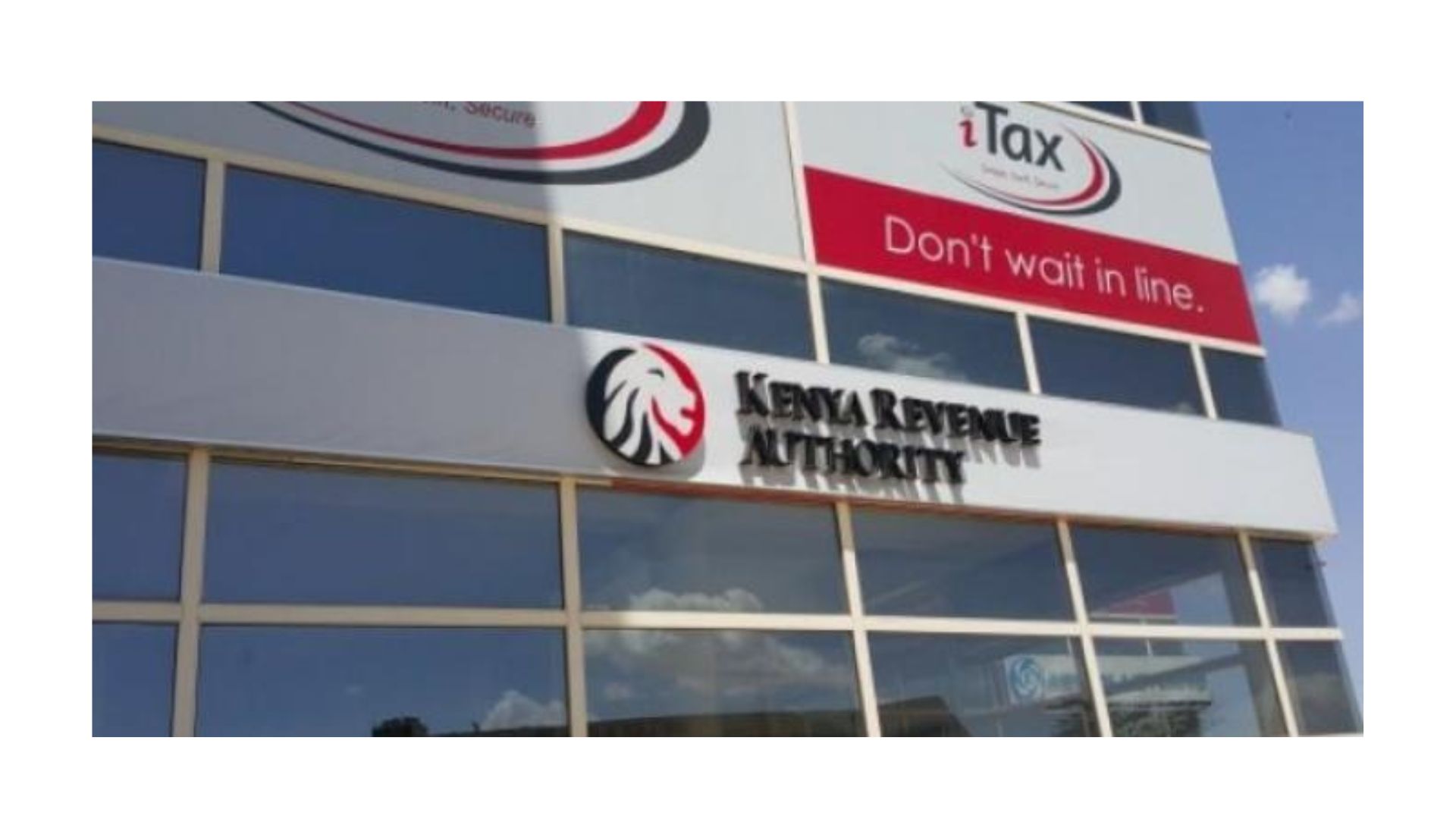
KRA Unveils New Digital Tax Filing and Payment System to Launch in January 2026
The Kenya Revenue Authority (KRA) has announced a major upgrade to Kenya’s tax filing and payment system, set to take effect from January 2026. The new system aims to make tax filing more transparent, accurate, and convenient for both individuals and businesses while promoting voluntary compliance and easing payment processes.
Authenticating Income and Expenditure Reports
In a public notice released on November 7, 2025, KRA revealed that beginning next year, it will start validating income and expenditure information declared in annual tax returns for the 2025 income year.
ALSO READ
Only 4% of Kenyans Can Afford Homes Worth Sh10 Million or More — New Study Exposes
Senior Detectives to Take Over Rex Masai Probe as New Witnesses Emerge in Ongoing Inquest
Kenya’s National Police Service Sets New Dates for Countrywide Recruitment of New Constables
Eldoret Police Officer Sentenced to 15 Years for Killing His Wife
This process will apply to all returns filed through the iTax platform.
The validation exercise will involve cross-checking taxpayer declarations with three key data sources:
- Electronic invoices generated under the TIMS/eTIMS system.
- Withholding tax records from registered agents.
- Customs import data for goods and services entering the country.
By linking these data points, KRA aims to confirm that every declared income and expense is supported by legitimate and verifiable documents. This move is expected to reduce false claims, enhance accuracy, and build greater trust in the tax system.
KRA clarified that all declared figures must be supported by valid electronic tax invoices, properly transmitted with the buyer’s Personal Identification Number (PIN), where applicable. However, exemptions will still apply under Section 23A of the Tax Procedures Act (Cap 469B) and the Tax Procedures (Electronic Tax Invoice) Regulations, 2024.
Taxpayers Encouraged to Review Their Records Early
To prepare for the new system, taxpayers are being advised to contact their account managers and request a summary of transactions generated through the TIMS/eTIMS platforms. This will allow them to reconcile their business records before submitting their 2025 returns.
KRA has also invited feedback from taxpayers and industry stakeholders to ensure the smooth rollout of this validation process. According to the authority, the feedback will help refine the system and address practical challenges faced by users.
Introducing the Automated Payment Plan (APP)
Alongside the validation process, KRA has introduced a new Automated Payment Plan (APP) — a digital feature designed to make it easier for taxpayers to clear outstanding balances, including penalties and interest.
Under this plan, eligible taxpayers will be allowed to pay their dues in scheduled instalments of up to six months. The initiative is meant to support those who may struggle to pay their full tax liability at once while ensuring that government revenue continues to flow steadily.
To qualify for the APP, taxpayers must:
- Have a valid KRA PIN.
- Be fully registered on the iTax system.
- Have a confirmed tax liability that is not under objection or court review.
Eligible taxpayers will submit their proposed repayment plans through iTax or other official KRA channels for approval.
Strict Compliance and Enforcement Measures
KRA has warned that any failure to honor agreed payment schedules may lead to the termination of the payment plan. In such cases, the authority may take enforcement actions, which could include:
Revoking the taxpayer’s Tax Compliance Certificate (TCC).
Initiating legal recovery procedures to collect the outstanding amounts.
This strict approach, KRA explained, is necessary to ensure fairness among taxpayers and discourage misuse of the new payment flexibility.
Enhancing Transparency and Efficiency
The new system marks a significant step in Kenya’s journey toward digital tax transformation. By using technology to cross-check tax data automatically, KRA hopes to eliminate errors, reduce fraud, and speed up processing times. The integration of TIMS/eTIMS, customs, and withholding tax data will allow the authority to maintain accurate, real-time records across all sectors.
According to KRA, the twin initiatives — data validation and automated payment — are part of a broader strategy to simplify tax administration, encourage voluntary compliance, and boost efficiency in revenue collection.
The move also aligns with Kenya’s vision of building a modern, transparent, and technology-driven tax system that benefits both the government and compliant taxpayers.
KRA’s upcoming overhaul of its tax filing and payment systems represents a major step toward smarter and fairer taxation in Kenya. The new validation process will make it harder to falsify returns, while the Automated Payment Plan offers practical relief to taxpayers facing financial constraints.
As the 2026 rollout approaches, taxpayers are encouraged to familiarize themselves with the changes, ensure their transaction records are accurate, and take advantage of KRA’s support and feedback channels.
These reforms are expected to strengthen compliance, enhance accountability, and ultimately contribute to a more sustainable revenue system for Kenya’s growing economy.