Divorced Urban Women Lead in Mobile Phone Addiction, New Report Reveals
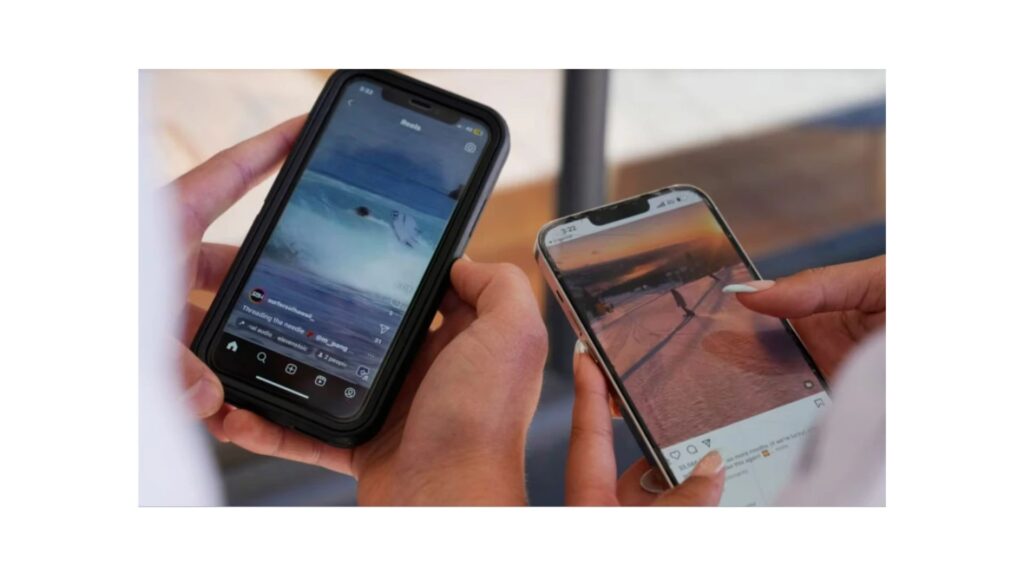
Women Lead in Mobile Phone Addiction
According to a recent report by the Communications Authority of Kenya (CA), the most addicted to mobile phone use are divorced women, especially those living in towns and aged 35-44 years. The data reveal that the number of women who own and use mobile phones by this group is increasing sharply, particularly among educated women.
Also Read
How Digital Media is Transforming Job Applications and Interviews in Kenya
Behind the Smiles: The Unseen Mental Struggles of University Students in Kenya
Why Many Footballers Choose to Wear Tattoos: The Meaning Behind the Ink
The 2023/24 Analytical Report on ICT states that the percentage of separated and divorced women utilizing mobile phones has soared drastically within the period between 2019 and 2024- 89.4 and 84.5% in 2019 and 2024 respectively. This expansion can be attributed to the increasing dependence on mobile technology by women who have independent lives following divorce or separation, especially in urban settings.
Mobile phone ownership has been increasing nationally, increasing to 53.7% in 2023/2024 compared to 47.3% in 2019. This implies that about six Kenyans in every ten people have a mobile phone. In the report, it is evident that there is a substantial disparity between the urban and rural regions with 64.6 percent urban ownership against 48.6% rural.
The rate of ownership was highest among Kenyans who are aged 35 to 44 years with an ownership rate of 89.8. The most dominant phone owners among men were the 25-34 year olds at 90.5 percent, and similar happened with 35-44 year olds at 89.5 percent as the leading phone owners among women. In general, mobile phone adoption is close to 100 percent among working-age adults and there are only a few gender differences in most age categories. The CA reported that mobile phone use amongst the youth (15-24) stands at 69.2 percent, with over 93 percent use among adults (25-54).
Another difference that was noted in the report was with regard to marital status. Individuals in monogamous unions reported high rates of ownership-89.1% in all-91.6% in men. But even higher rates were reported among separated and divorced women, 89.5% and 87.8% respectively, with the lowest levels of ownership being among people who had never been married-62% and 57.8% respectively. In 2019 to 2024, men had a higher number of phones (54.5%) than women (52.9%).
The urban women reported a higher rate of mobile phone possession (63.7) as compared to rural (47.9), highlighting the growing digital gap between urban and rural regions. Nairobi had the highest number of mobile phone owners in the country, with 67.7, Kirinyaga (65) and Nyandarua (63.9) respectively. West Pokot on the other hand had the lowest ownership at 29, Turkina (29.4) and Marsabit (34.8) followed suit.
In youths (18-34 years) national ownership was 81.5, male (82.4) marginally higher than female (80.7). Urban men (91.4), and women (90.9) were much more likely to have phones compared with their rural counterparts whose ownership was 75.8 and 74.6 respectively. Nairobi was leading the youth phone coverage at 93.5 per cent, it was closely followed by Kiambu (92 per cent) and Laikipia (89.8 per cent) and lowest in West Pokot (52.1 per cent).
Another area covered in the report was the use of mobile phones among children with still relatively low rates of usage. The use of phones is only 13.6% of minors aged 3-14 years, and the phone ownership is decreasing among this group over the last 4 years. Phone use among children between 5 and 9 was 19.8 and among those between 10 and 14, 27.6. Girls were a bit more likely to use phones at younger ages, but boys dominated in the older age range.
The ownership was broadly diverse among individuals living with their disability based on the nature of their challenge. The highest ownership was found among individuals with mobility problems, 69.7 (66.4 in men and 72.1 in women). Nevertheless, people who had hearing or self-care issues had the lowest ownership-36.1 and 35.8, respectively. Interestingly, females tended to have higher ownership rates than males in most of the categories but not hearing disabilities.
The CA administered the survey to all 47 counties between March 7 and May 17, 2024, to 25,900 households, of which 23,166 were eligible participants. The results highlight the increasing reliance on mobile phones in Kenya–particularly among the urban women who have been divorced and separated–and how mobile technology is still influencing communication and lifestyle trends across a broad spectrum of social and demographic lines.