Paul Mackenzie jailed for 200 years in prison over Shakahola massacre
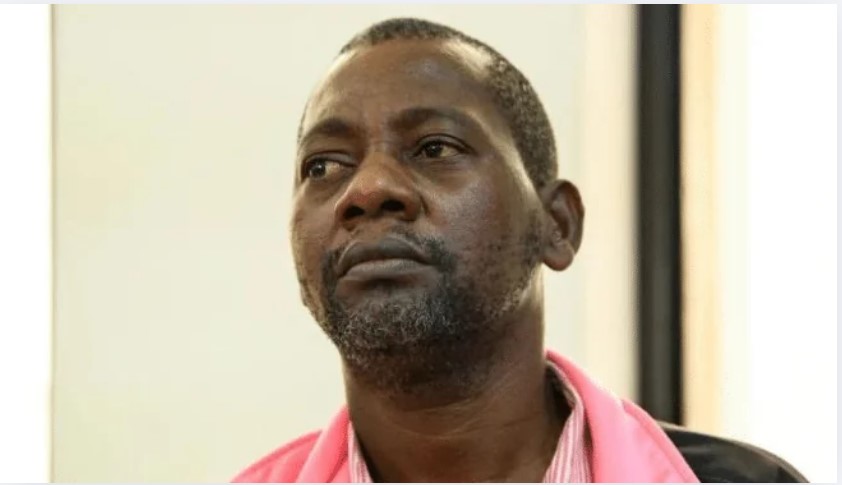
Paul Mackenzie jailed for 200 years in prison over Shakahola massacre
Good News International Church founder Paul Nthenge Mackenzie has been sentenced to 200 years in prison over the Shakahola massacre, in which 191 people, including 190 children, died in what the court described as a horrific act of mass murder.
Justice Diana Kavedza imposed the sentence on Friday, November 6, after considering the gravity of the offences, the vulnerability of the victims, the individual roles played by the convicts and the impact of the deaths on surviving families and society.
The judge sentenced Mackenzie to 100 years’ imprisonment for 193 counts of murder by starvation.
He was further handed 100 years’ imprisonment for eight counts of murder by direct homicide involving child victims.
The sentences in each category will run concurrently, but the two sets of sentences will run consecutively, resulting in an aggregate term of 200 years’ imprisonment.
The prosecution had urged the court to impose the death penalty, arguing that the magnitude and circumstances of the killings warranted the ultimate punishment.
However, Justice Kavedza declined to impose capital punishment, despite finding that the case met the threshold for its consideration under the principles established by the Supreme Court in the Muruatetu decision.
“Nevertheless, the court declines the invitation to impose the death penalty on any of the victims,” she ruled, adding that a death sentence would foreclose the possibility of disengagement and rehabilitation.
In explaining the severity of the punishment, Kavedza highlighted the abuse of spiritual authority and the betrayal of trust placed in the convicts by their congregants, particularly parents who had entrusted them with the care and protection of their children.
“The abuse of trust in the present case extended beyond the exploitation of spiritual authority. It involved the betrayal of confidence placed in the convicts by the congregants and the abandonment of the fundamental parental duty to protect children,” she stated.
The judge noted that evidence presented in court demonstrated that vulnerable children were subjected to severe physical violence as part of efforts to enforce the fasting directives.
She cited witness accounts attributing to Mackenzie statements that followers would enter heaven through “punches and kicks”, even if they were crippled, saying they demonstrated the brutality used to subjugate children.
Further evidence showed that followers who attempted to escape were apprehended, threatened, whipped and locked up in fasting bays alongside others.
Kavedza observed that the children were incapable of making informed decisions about fasting and depended on adults for their survival and protection.
“The adult support system malfunctioned,” she noted, adding that the failure exposed the children to predatory conduct and left them unable to escape the violence that ultimately led to their deaths.
The court also considered the impact on surviving families, with the judge observing that some had lost their entire families while others were left relying on State support.
Woman’s body found stuffed in sack at Sasumua Dam in Nyandarua
Kenya to introduce green passport for public servants
Rigathi Gachagua in mourning after sister dies
KRA revenue collection surpasses Ksh.1 trillion mark in October
Kalonzo convoy stoned by goons in Migori
She further noted that the incident had disrupted lives, including cases where survivors were left with disabilities.
In assessing the individual culpability of the convicts, Kavedza identified Mackenzie as bearing primary responsibility, describing him as the overall leader of Good News International Ministries and the Shakahola settlement.
She said he orchestrated the exodus to the wilderness, presided over meetings where he issued central directives ordering followers to fast to death, and targeted children as the initial victims.
He also commanded the use of violence against children who resisted or attempted to escape, while presiding over the burial of victims.
The judge said sentencing would take into account the convicts’ individual roles, planning, duration of offending, use of violence, abuse of authority, treatment of vulnerable victims and attempts to conceal evidence.
Justice Kavedza further noted that some convicts had expressed intentions to continue fasting to death, even while in custody or upon release, raising concerns about the protection of the community.
“The court has considered the totality of said principles and objectives, alongside mitigating factors, victim impact statements and pre-sentence reports in imposing an appropriate sentence,” she said.
20,000 students fail to take up their admission slots at KMTC
Muhoozi announces to step down as Ugandan Chief of Defence Forces
New twist as two friends of abducted lawyer Abshir Abdi also reported missing
Kenya urges Commonwealth to step in after Britain rejects slavery reparations