Nairobi projected to overtake Cairo, Lagos by 2050 – Report
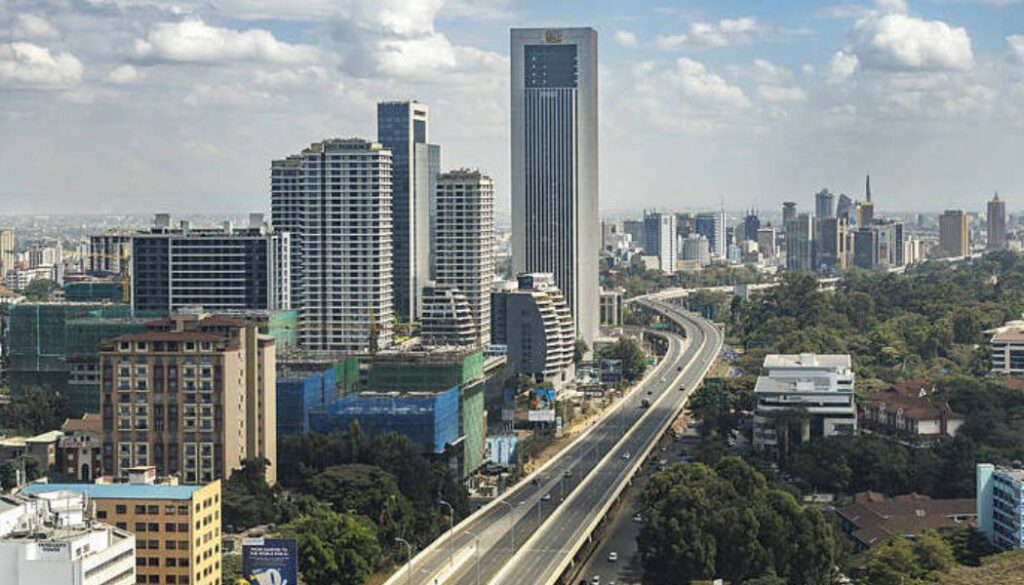
Nairobi projected to overtake Cairo, Lagos by 2050 - Report
Nairobi is projected to become Africa’s largest metropolitan region by 2050, overtaking Cairo and Lagos, according to data in a report titled “Africa’s Urbanisation Dynamics 2025” by the Organisation for Economic Co-operation and Development (OECD).
The report estimates that Nairobi’s metropolitan population will grow to 57.2 million, ahead of Cairo, which is expected to reach 55.5 million residents, while Lagos is forecast to have 36.9 million people by 2050.
Nairobi’s metropolitan population is currently estimated at 15.95 million, meaning it is projected to more than triple over the next 25 years.
“Nairobi, projected to be the most populous and largest agglomeration on the continent, has the characteristics of an extended agglomeration,” the report stated.
The report attributes the expansion to natural population growth, rural-to-urban migration and continued economic opportunities that attract people from across Kenya and the wider East African region.
Growth in neighbouring counties, including Kiambu, Machakos and Kajiado, has also contributed to the rapid expansion of the Nairobi metropolitan area.
The report comes as Nairobi County introduces new planning measures aimed at guiding urban growth, including the Development Control Policy anchored on the Nairobi Integrated Urban Development Master Plan.
KUCCPS introduces instant placement for Form Four leavers applying for university admission
TSC responds to speculation over July salary increase
Lawyer burned beyond recognition in a house fire days after surviving a bad accident
Linda Mwananchi to field a presidential candidate in 2027; James Orengo
Governor Johnson Sakaja has said the framework is intended to promote orderly development while providing regulatory certainty for investors in the city’s expanding real estate sector.
The county is also expanding affordable housing projects to help meet rising demand as the metropolitan population grows.
The report used the Africapolis methodology, which measures wider connected urban areas rather than focusing on official administrative city boundaries.
The methodology projects that Nairobi’s built-up area will expand outward to connect with 446 urban clusters in the country, including Kisumu, as well as urban areas in neighbouring countries.
Without these projected mergers, the report explained that Nairobi’s urban population would be estimated at 24.6 million by 2050, compared to the larger figure that includes the connected metropolitan region.
Further, the report noted that sustained investment in infrastructure, public services and climate resilience will be critical if Nairobi is to accommodate its projected population growth by 2050.
Kenyan Journalist Elijah Mwangi makes global list after securing CNN Academy Fellowship
UDA, ODM coalition will bring in 17 million votes to re-elect Ruto – Wanga
Mike Sonko announces Ksh200,000 reward in search for 3 missing men
Supreme Court upholds tax exemption for Japanese companies operating in Kenya
President’s official website hacked, hackers demand Ksh41 million ransom