Tanzania Faces Post-Election Turmoil as Protests Escalate and Suluhu Seeks Regional Backing

PHOTO: Light moment between the Kenyan President William Ruto and the Tanzanian President, Samia Suluhu Hassan
Tanzania is grappling with widespread unrest following the October 29, 2025, general election, as protests erupt across major towns and cities. The tense situation has been compounded by reports that President Samia Suluhu held private phone conversations with Kenyan President William Ruto and Ugandan President Yoweri Museveni amid mounting concerns over the stability of the East African nation.
According to Africa Intelligence, President Suluhu is believed to have spoken separately with the two regional leaders on the evening of October 30. The details of these discussions remain unclear, but political analysts suggest that the Tanzanian leader may have been seeking diplomatic support from her East African counterparts to navigate the escalating post-election crisis.
The claims about Suluhu’s outreach to Ruto and Museveni come at a time when her administration has reportedly limited contact with Western embassies. Diplomatic sources indicate that several Western missions have struggled to establish communication with Tanzanian officials, deepening uncertainty about the government’s next steps.
ALSO READ
Heavy Traffic Along Nairobi-Mombasa and Nakuru-Eldoret Highways Forces Motorists Spend a Whole Night
DCI Arrests TikToker Over False Claims of Ksh 3.5 Million MP Assassination Plot
The protests erupted soon after the election results, with demonstrators accusing the government of suppressing democratic freedoms. Much of the public anger stems from the detention of prominent opposition leader Tundu Lissu, who remains behind bars, and the disqualification of another leading opposition candidate, which critics argue tilted the contest in Suluhu’s favor.
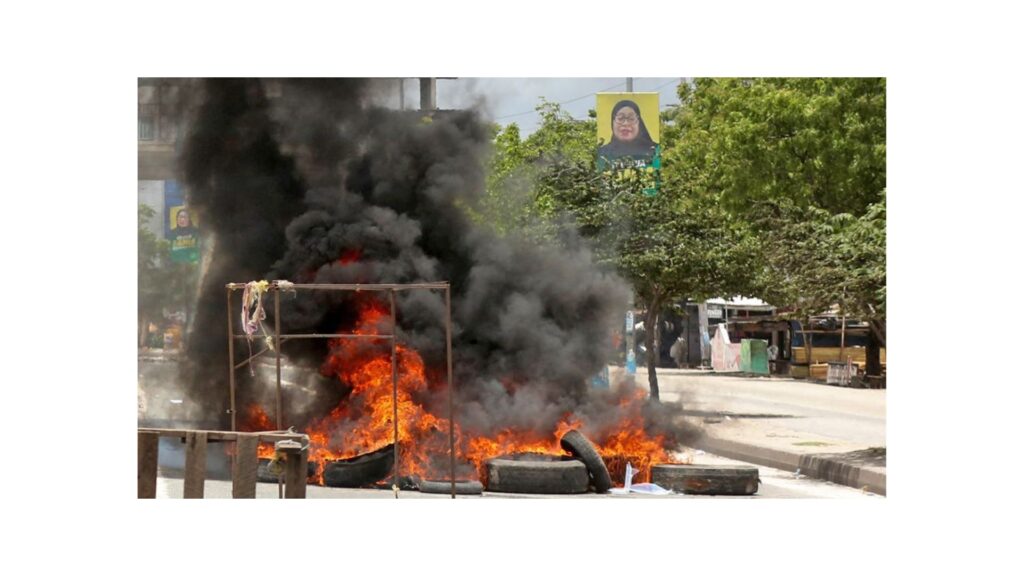
Since midweek, confrontations between protesters and police have intensified. Security forces have reportedly used live ammunition and tear gas to disperse crowds in various regions, including Mwanza, Dodoma, and the commercial hub of Dar es Salaam. In these cities, streets have turned into battlegrounds, with major roads blocked and security patrols enforcing tight restrictions on movement.
Local reports suggest that dozens of people have lost their lives in the clashes, although opposition groups claim that the death toll could be as high as 700. The escalating violence has not only shaken Tanzania’s stability but also drawn regional concern as the unrest spilled over to border areas. At the Namanga crossing between Tanzania and Kenya, several Kenyans were reportedly shot after being caught up in the chaos, prompting warnings from authorities in both countries for citizens to avoid involvement.
The United Nations Human Rights Office has voiced alarm over the situation, citing reports that at least 10 civilians were killed by security forces during election-related demonstrations. The agency expressed serious concern over the excessive use of force, noting that authorities had deployed firearms and tear gas to control protesters. The UN urged Tanzanian security agencies to exercise restraint and to respect the fundamental rights of citizens, including the right to peaceful assembly.
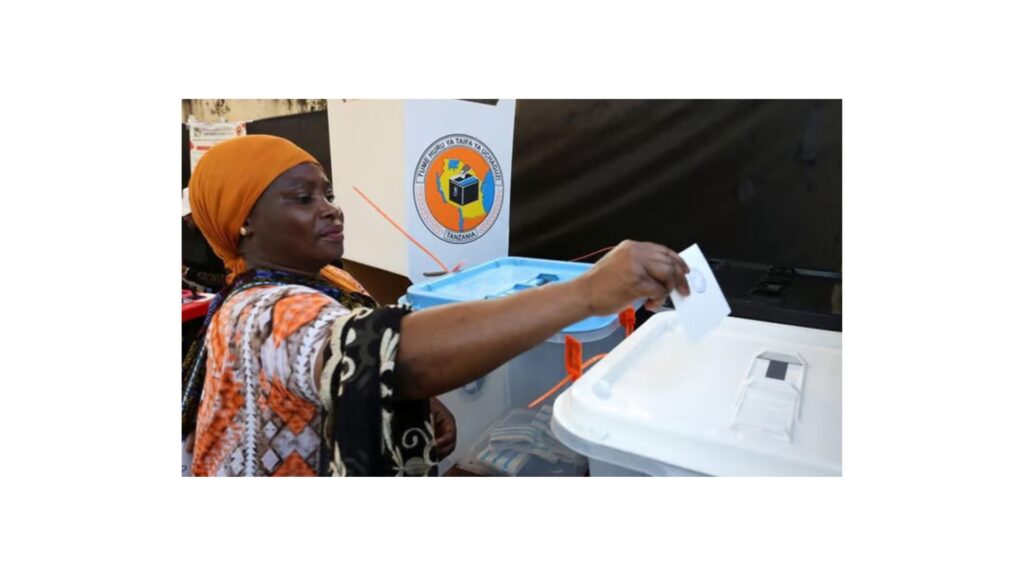
Adding to the turmoil, the Tanzanian government imposed an extensive internet and communications blackout during the election period. The blackout reportedly hindered victims from documenting incidents of violence and restricted information flow within and outside the country.
Both local and international journalists have also reported harassment, intimidation, and arbitrary arrests in the aftermath of the polls. Among those detained is Kenyan journalist Shoka Juma of Nyota TV, who was reportedly arrested while attempting to monitor civilian movements near the Lunga Lunga border point.
The communication shutdown, coupled with media censorship, has raised fresh concerns about transparency and accountability during the electoral process. Human rights organizations and regional observers have called on the Tanzanian government to lift restrictions, release detained journalists and opposition figures, and open dialogue channels to restore calm.
As the crisis deepens, Tanzania stands at a crossroads—facing both internal pressure from citizens demanding justice and external scrutiny from the international community over its handling of the post-election turmoil.