Ten Charged in Paris for Cyber-Harassment Over False Gender Claims Against Brigitte Macron
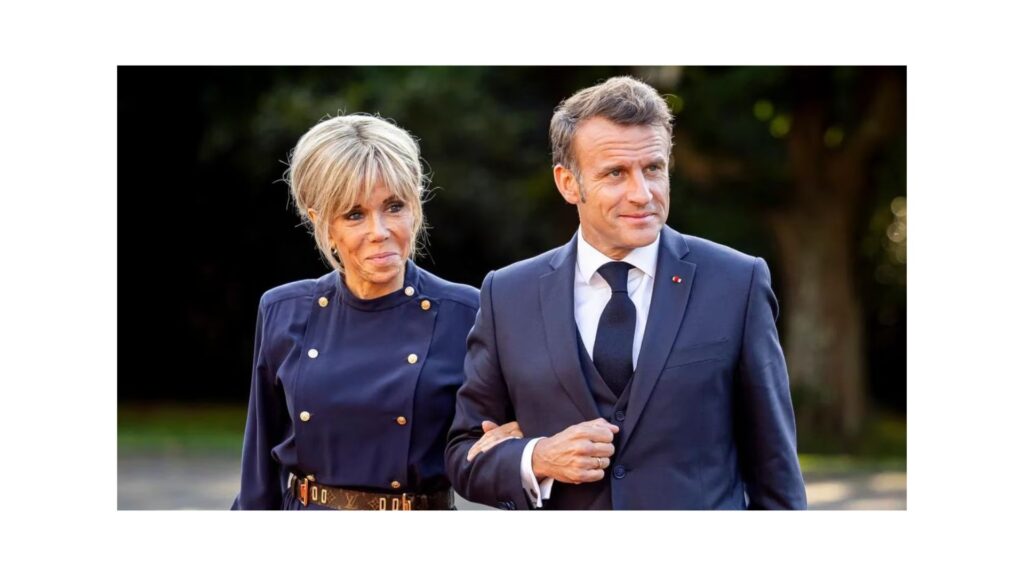
A photo of the French President Emmanuel Macron (right) and the French First Lady Brigitte Macron
Ten individuals accused of orchestrating a sexist and defamatory online campaign against France’s First Lady, Brigitte Macron, are set to face trial in Paris this week. The case marks a significant moment in France’s battle against digital harassment and disinformation, particularly targeting public figures through false and malicious claims.
The defendants — eight men and two women aged between 41 and 60 — are charged with engaging in cyber-harassment and spreading baseless rumors regarding Brigitte Macron’s gender identity. If found guilty, they each face up to two years in prison.
The charges stem from years of online speculation and conspiracy theories claiming that Brigitte Macron was “born male,” a rumor that has circulated across various social media platforms since Emmanuel Macron’s election in 2017.
These false allegations have not only targeted the First Lady but also sought to malign the presidential couple’s relationship, frequently drawing attention to their 24-year age difference.
ALSO READ
Trump gives Hamas a 6 p.m. Sunday ultimatum to accept Gaza deal — warns of unprecedented retaliation
Macron Faces Deepening Political Turmoil as Prime Minister Resigns After Just 27 Days
Russia Employs Mixed Signals in Effort to Revive the ‘spirit of Alaska’ Diplomacy with United States
92-year-old Paul Biya Wins Controversial Eighth Term as Cameroon’s President
According to prosecutors, the accused published and shared offensive content online, making derogatory remarks about Brigitte Macron’s gender and sexuality. Some even compared her age gap with the president to “paedophilia” — a claim described by legal authorities as particularly malicious and demeaning.
The First Lady filed an official complaint in August 2024, triggering a formal investigation that led to multiple arrests in December 2024 and February 2025. Despite the high-profile nature of the case, Brigitte Macron’s legal team has not confirmed whether she will attend the hearings.
Among those charged is 41-year-old Aurelien Poirson-Atlan, a publicist and social media figure known by the pseudonym “Zoe Sagan,” who is alleged to have ties to conspiracy theory groups.
Another key defendant is Delphine J., a 51-year-old self-proclaimed spiritual medium known online as “Amandine Roy.” She previously faced a libel complaint from Brigitte Macron in 2022 after posting a lengthy YouTube interview with blogger Natacha Rey, where the pair claimed the First Lady was actually “Jean-Michel Trogneux” — the name of her real brother.
In 2024, the two women were initially ordered to pay damages to Brigitte Macron and her brother, though the decision was later overturned on appeal. The First Lady subsequently escalated the case to France’s highest appeals court, underscoring her determination to challenge ongoing defamation.
The false narrative, originating during Emmanuel Macron’s 2017 presidential campaign, has been repeatedly amplified by far-right networks and conspiracy theorists both in France and abroad.
The rumor gained additional traction in the United States, where debates surrounding transgender rights and identity have become deeply politicized.
In response to the growing spread of misinformation, Brigitte and Emmanuel Macron filed a defamation lawsuit in the United States in July 2025 against conservative commentator Candace Owens.
Owens had published a video series titled “Becoming Brigitte”, asserting that the First Lady was born male. The French couple’s U.S. attorney announced that they plan to present “scientific” evidence and photographic documentation to refute the claim conclusively.
Prosecutors in Paris revealed that several of the current defendants had circulated Owens’ videos or posts online, further amplifying the false narrative. In one particularly concerning instance, a defendant shared a message claiming that “2,000 people” were ready to go “door-to-door in Amiens” — the Macrons’ hometown — to “get to the bottom” of the fabricated story.
This case highlights the increasingly global and gendered nature of online harassment campaigns against women in positions of power. Other high-profile women, including former U.S. First Lady Michelle Obama, former U.S. Vice President Kamala Harris, and New Zealand’s ex-Prime Minister Jacinda Ardern, have similarly been subjected to baseless rumors regarding their gender or sexuality — a pattern experts say reflects broader misogynistic and conspiratorial undercurrents online.
As the Paris court proceedings begin, the trial is being viewed as a litmus test for how France addresses digital abuse and misinformation aimed at political and public figures.
For Brigitte Macron, the outcome could represent not only personal vindication but also a broader statement against the weaponization of social media to spread lies and hatred.