EPRA responds to oil marketers’ complaints over wholesale fuel pricing
EPRA responds to oil marketers’ complaints over wholesale fuel pricing
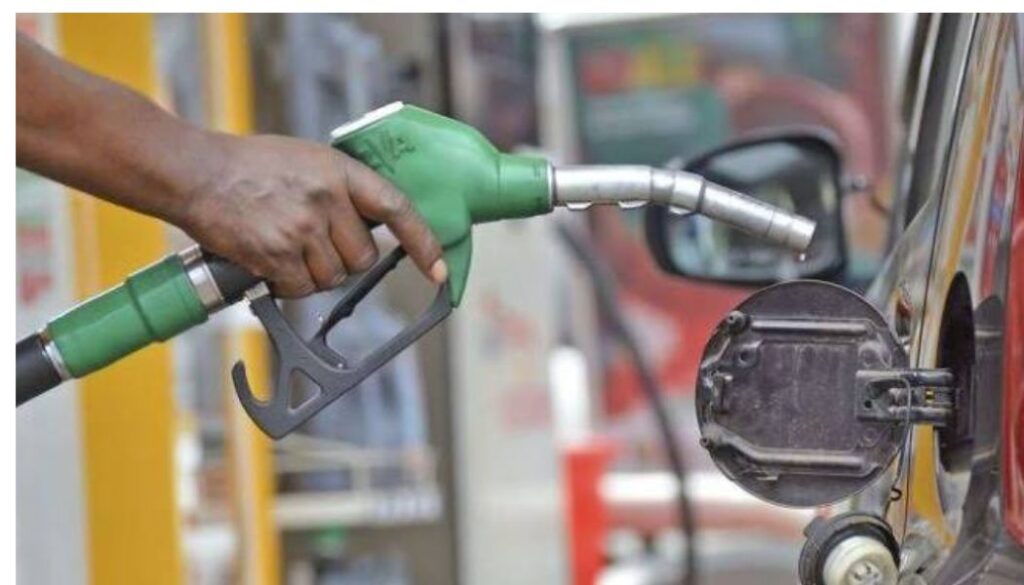
The Energy and Petroleum Regulatory Authority (EPRA) has responded to concerns by oil marketing companies over wholesale fuel pricing.
In a letter to chief executive officers of oil marketing companies (OMCs) on Tuesday, October 27, the regulator assured them that they will be compensated for excess fuel volumes accessed beyond those factored into current and subsequent pricing cycles.
EPRA said the compensation arrangement was intended to safeguard the country’s fuel supply while addressing the financial exposure marketers face due to delays in adjusting prices to reflect changing costs.
“The Energy & Petroleum Regulatory Authority (EPRA) wishes to assure Oil Marketing Companies (OMCs) that where individual OMCs access volumes in excess of the volumes factored in the current and subsequent cycles, the excess volumes will be due for advance sales compensation.
This is in a bid to ensure uninterrupted supply in the country and to compensate OMCs exposure to the price lag,” the letter read.
EPRA clarified that the excess volumes and any additional costs associated with them would be assessed according to a specific order of consideration. It said the verification process would rely on official data from the Kenya Revenue Authority (KRA).
“This excess volume and any incremental costs thereof shall be considered on a first in first out basis and shall be verified based on the data from the Kenya Revenue Authority,” the letter added.
This development comes after independent petroleum dealers have threatened to suspend purchases of fuel from oil marketing companies (OMCs) over alleged violations of government-regulated wholesale prices.
In a joint statement on Wednesday, October 28, the Petroleum Outlets Association of Kenya (POAK) and the Kenya Independent Petroleum Dealers Association (KIPEDA) said oil marketing companies had been selling petroleum products to independent dealers at prices exceeding the maximum wholesale rates gazetted by the Energy and Petroleum Regulatory Authority (EPRA).
Mombasa-bound bus full of passengers bursts into flames
Veteran Journalist Yvonne Okwara exits Citizen TV after 8 years
Two Utumishi Girls minors seek plea bargain in murder case
IEBC suspends Migwani Ward by-election
The two associations called for urgent government intervention, warning that the dispute had created unfavourable trading conditions for independent fuel retailers.
“We, the undersigned representatives of the independent petroleum dealers across Kenya, issue this Joint Communiqué to draw urgent national attention to an ongoing crisis that threatens the collapse of independent retail outlets and compromises national energy security,” the statement read.
The dispute followed EPRA’s publication of the maximum retail and wholesale petroleum prices for the October-November pricing cycle on October 14 under its mandate pursuant to the Petroleum Act.
For Nairobi, the regulator set the maximum wholesale price of super petrol at Ksh211.80 per litre, while the maximum retail price was Ksh226.96 per litre.
Diesel was capped at Ksh212.60 per litre at the wholesale level and Ksh227.27 per litre at the retail level. Kerosene had a maximum wholesale price of Ksh204.79 per litre and a retail cap of Ksh219.87 per litre.
However, POAK and KIPEDA accused oil marketing companies of disregarding the prescribed wholesale prices when the market opened on October 15, leaving independent dealers struggling to obtain fuel within the legally established limits.
Yvonne Okwara joins Shuga Global after Citizen TV exit
UDA, ODM set up team to develop joint manifesto for 2027 elections
Safaricom fires 118 employees over fraud
Sifuna’s Linda Mwananchi Party to be launched on Friday
Pastor tells court murdered university student’s phone was found in church offerings