Midwives to be integrated into Kenya’s health system under new proposal
Midwives to be integrated into Kenya’s health system under new proposal
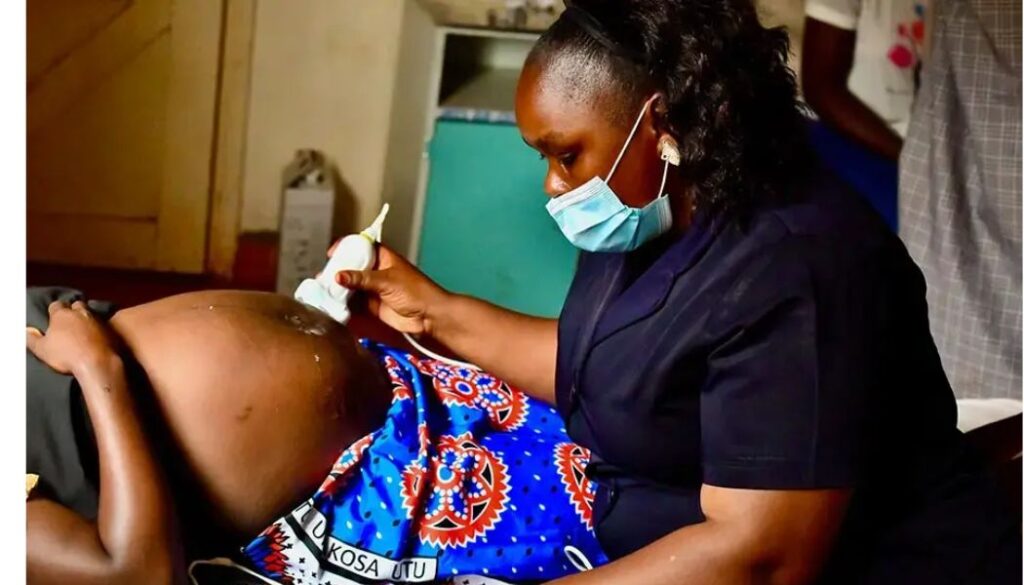
The National Gender and Equality Commission (NGEC) has called on national and county governments to formally link Indigenous midwives to Kenya’s health system as part of efforts to improve maternal and newborn care in underserved communities.
The Commission said Indigenous midwives have supported women through pregnancy, childbirth and the postnatal period for generations, particularly in communities where health facilities are far away, and transport is unreliable.
“Indigenous midwives are custodians of community knowledge on maternal care, nutrition and medicinal practices, passing this knowledge from one generation to the next alongside language and culture,” NGEC said.
The 2022 Kenya Demographic and Health Survey also found that while 88 percent of births occurred in health facilities nationally, home births remained high in several counties. Mandera recorded 50 per cent, Tana River 48 per cent, Turkana 47 per cent, Wajir 46 per cent and Samburu 45 per cent.
The Commission said Indigenous midwives can play an important role in these communities by helping women prepare for childbirth, encouraging them to seek facility-based care, supporting referrals and identifying women who require skilled or emergency medical attention.
NGEC wants the midwives to be formally connected to health facilities through clear referral and communication systems. This would allow them to refer women with complications to hospitals and health centres while maintaining links with professional healthcare providers.
The Commission also wants Indigenous midwives to work alongside Community Health Promoters and receive appropriate training and supervision so that their community-based role is supported by clear standards for maternal and newborn care.
NGEC stressed that Indigenous midwives should not replace doctors, nurses or other qualified healthcare professionals. Instead, their community knowledge, proximity and trust should be used to help connect women in underserved areas to skilled healthcare and emergency services when needed.
Former US president Biden’s cancer has spread: son says
Auditor General questions SHA medical equipment deal over illegal contracts
IEBC clears Homa Bay deputy governor nominee for appointment
Rigathi Gachagua meets Peter Munya after outburst
The Commission is also calling for more emergency obstetric and newborn services, outreach programmes and referral transport in hard-to-reach and nomadic areas where distance and poor transport can delay access to medical care.
Additionally, NGEC wants maternity services to become more culturally and linguistically responsive. It said language barriers, discrimination and culturally insensitive treatment can discourage some Indigenous women from seeking care at health facilities.
The Commission further added that Indigenous maternal health knowledge should be documented and protected with the consent of the communities and knowledge holders, as well as have Indigenous midwives and women’s representatives included in health planning and decision-making at community, county and national levels.
The call was made as Kenya marked the International Day of the World’s Indigenous Peoples on August 9, 2026, under the theme “Honouring Indigenous Midwives: Safeguarding Life and Well-being.”
Two police officers in Dr Victoria Mutiso murder set free on Murkomen’s order, Gachagua claims
KRA Chairperson Ndiritu Muriithi declares bid to reclaim Laikipia governor seat
ODM and UDA set for 3-day Naivasha retreat for coalition talks
Cancel me – Larry Madowo teases critics after attending Charlene Ruto’s wedding