ODM at a Crossroads: Internal Rift Deepens as Leaders Clash Over 2027 Strategy
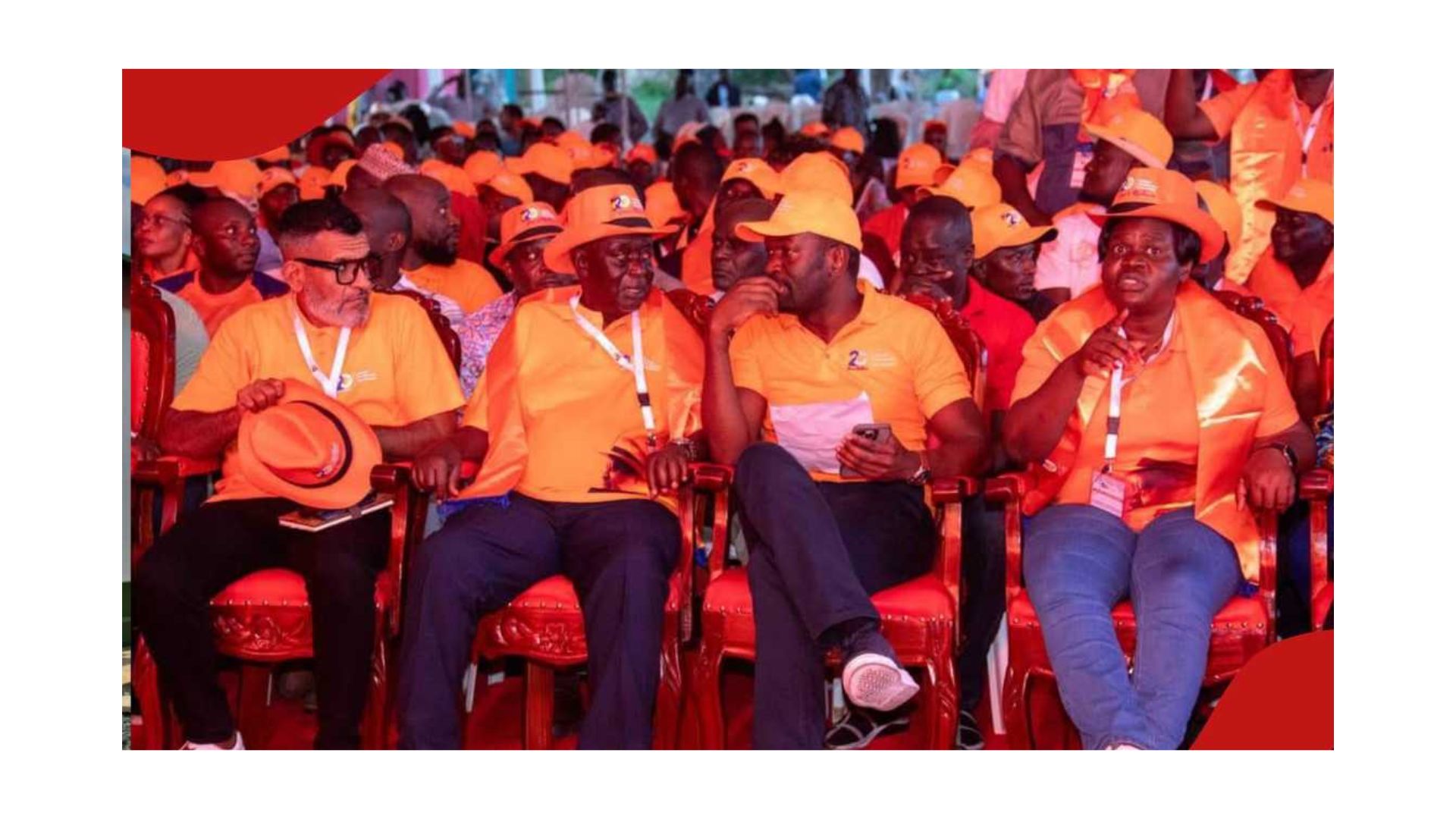
A photo os a section of the Orange Democratic Movement (ODM) Party leaders in Mombasa during the party's 20th Anniversary celebration
The Orange Democratic Movement (ODM) is facing one of its most public and intense internal disagreements in recent years. During the party’s 20th anniversary celebrations in Mombasa, a clear divide emerged over whether the party should support President William Ruto’s re-election bid in 2027 or field its own presidential candidate. The debate, which had simmered beneath the surface for months, broke out openly during meetings involving the party’s youth, women, and persons living with disabilities.
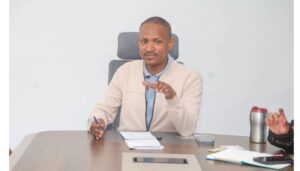
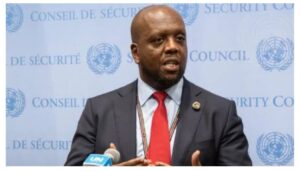
A faction within ODM, led by Mining Cabinet Secretary Hassan Joho, supports the ongoing cooperation with President Ruto’s broad-based government. According to Joho, the political environment has shifted, and ODM should embrace dialogue rather than return to confrontational politics. He insisted that the party must move away from street protests, saying Raila Odinga himself had opted for a broader national approach.
ALSO READ
ODM Convenes Emergency Meeting as Speculation Over Ruto’s Cabinet Reshuffle Grows
NCIC Summons Nyeri Governor Mutahi Kahiga Over Divisive Remarks on Raila Odinga’s Death
United Opposition Demands Censure Over Governor Kahiga’s ‘Ethnic War’ Remarks, Putting UDA on Notice
Venezuela’s Maria Corina Machado Wins 2025 Nobel Peace Prize for Defending Democracy
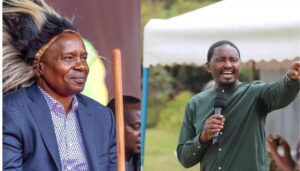
Joho’s remarks, however, were met with firm resistance from another camp led by Siaya Governor James Orengo. This group believes that ODM should maintain its independence and prepare to challenge President Ruto in the upcoming election. Orengo criticized those pushing for continued cooperation with the government, insisting that ODM’s identity must remain intact. He questioned why some leaders were “afraid” to defend the party’s position and dismissed suggestions that ODM should not field a presidential candidate in 2027. His message was clear: ODM must stand strong, prepare its candidate, and avoid being absorbed into the government’s political agenda.
Orengo’s argument appeared to resonate with several top ODM figures, including party Secretary General Edwin Sifuna. Sifuna questioned why leaders were claiming to have held private discussions with Raila Odinga, urging the party to follow only what Raila had said publicly and collectively. His remarks suggested frustration over what he described as “secret deals” or misinterpretations of ODM’s direction.
Winnie Odinga, daughter of Raila Odinga and an ODM leader in her own right, also spoke strongly against making key decisions behind closed doors. She emphasized that ODM operates on clear principles and should not abandon its long-held values for political convenience. Her comments echoed the broader call for transparency and collective decision-making within the party’s top ranks.
Kisii Governor and ODM Deputy Party Leader Simba Arati took a more balanced stance. While confirming that ODM is still committed to the broad-based government until 2027, he made it clear that the party will field its own presidential candidate after that period. He stressed that ODM will only work with leaders who genuinely share the party’s ideals and long-term goals.
The ongoing dispute has brought renewed attention to the future of ODM as a political powerhouse. With Raila Odinga yet to clearly announce his 2027 plans, party members appear divided over whether to maintain cooperation with President Ruto or start preparing for a full-scale presidential campaign. The lack of a unified message has created confusion among supporters, many of whom are looking for clarity as the political season gradually approaches.
Despite the internal disagreements, ODM leaders used the anniversary event to assure key groups—especially youth, women, and persons living with disabilities—that the party remains committed to championing their rights. They emphasized that regardless of the political direction ODM eventually takes, inclusion and empowerment will remain central to its mission.
As the 2027 General Election draws closer, ODM finds itself at a defining moment. The debate over whether to cooperate with the government or pursue an independent political path could shape the party’s identity for years to come. Whether ODM will unite around a single strategy remains to be seen, but the tensions witnessed in Mombasa suggest that major decisions lie ahead—and they may not be easy ones.